Установка окон и дверей: common mistakes that cost you money
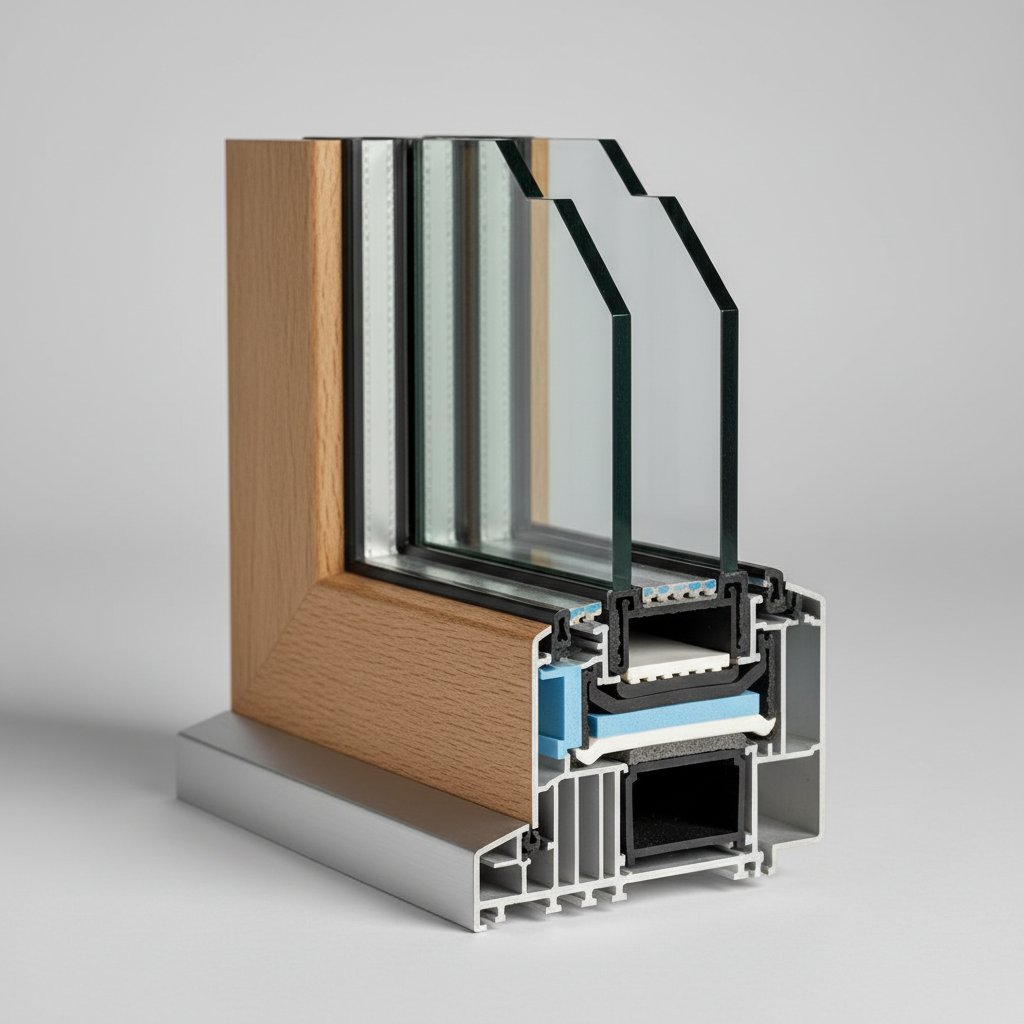
The DIY vs. Professional Window and Door Installation Face-Off: Where Your Money Really Goes
You've just dropped $3,000 on beautiful new windows for your home. The installer quotes you another $1,200 for labor. Your brother-in-law swears he can do it for the cost of a six-pack and lunch. Sound familiar?
I've seen homeowners make this exact calculation hundreds of times, and here's the thing nobody tells you: the real money pit isn't the initial decision. It's the mistakes that follow. Whether you go pro or tackle it yourself, certain screw-ups will drain your wallet faster than a cracked seal in January.
Let's break down both paths and see where people actually lose money—not where they think they do.
The DIY Route: When Saving Money Costs You More
The Upside
- Immediate savings of 30-50% on labor costs (that's $800-$1,500 on a typical window replacement project)
- Complete control over timing and process—no waiting for contractor schedules
- You learn valuable skills that transfer to other home projects
- No markup on materials if you source them directly
The Downside (Where It Gets Expensive)
- Measurement errors cost an average of $450 per mistake—custom windows can't be returned once cut
- Missing the waterproofing step properly? You're looking at $2,000-$5,000 in water damage repairs within 18 months
- Improper shimming creates gaps that increase heating costs by 15-25% annually
- No warranty protection—manufacturers void warranties on improper installation (yes, they actually check)
- Tool rental or purchase: $200-$600 for quality equipment you'll use once
Here's a real scenario: My neighbor Dave saved $1,100 installing his own patio door. Eighteen months later, he paid $3,400 to fix rotted framing from water intrusion. The sealant he used? Wrong type for exterior applications. A pro would've caught that in five seconds.
The Professional Installation Path: Not All Contractors Are Equal
The Upside
- Warranty coverage typically spans 2-10 years on labor (worth $500-$2,000 in potential repairs)
- Insurance protection if something goes wrong during installation
- Job completion in 4-8 hours versus your 2-3 weekend days
- Professionals catch structural issues before they become $10,000 problems
- Proper tools and techniques prevent air leakage that costs $200-$400 yearly in energy waste
The Downside (The Hidden Costs)
- Labor markup of 40-60% is standard industry practice
- Rushed jobs during peak season (May-September) lead to 23% more callback issues
- Low-ball estimates often exclude essential materials—caulking, flashing, trim work add $300-$800
- Scheduling delays can push projects back 3-6 weeks during busy periods
- Some contractors subcontract the work, adding communication headaches
The biggest money drain? Hiring the cheapest bid. A contractor undercutting competitors by 30% is either cutting corners or inexperienced. Both scenarios cost you later.
Head-to-Head Comparison
| Factor | DIY Installation | Professional Installation |
|---|---|---|
| Upfront Cost | $200-$600 (tools/materials) | $800-$1,500 per window/door |
| Time Investment | 16-24 hours per window | 4-8 hours total |
| Error Rate | 35-40% have issues within 2 years | 8-12% callback rate |
| Warranty Coverage | Product only (often voided) | Product + labor (2-10 years) |
| Energy Efficiency Impact | 70-85% of rated performance | 90-98% of rated performance |
| Long-term Cost Risk | High ($2,000-$5,000 potential) | Low (covered by warranty) |
The Real Verdict: It's Not About Choosing Sides
Here's what actually matters: complexity and stakes.
Single-story window replacement on a straightforward opening? DIY can work if you're methodical and willing to spend 20 hours researching proper techniques. The financial risk sits around $500-$800 if you mess up.
Second-story work, doors with complex framing, or homes built before 1980? Pay the professional. The fall risk alone isn't worth it, and older homes hide surprises that turn "$200 savings" into "$4,000 disasters."
The costliest mistake isn't choosing DIY or professional—it's half-assing either approach. Hiring your uncle who "does construction sometimes" combines the high cost of a pro with the error rate of an amateur. Similarly, starting a DIY project without proper research and tools guarantees expensive do-overs.
Calculate your real costs: materials, tools, time off work, potential fixes, and energy loss over five years. Then make your call. Just remember—the installation you see costs money once. The installation you don't see costs money forever.