Установка окон и дверей in 2024: what's changed and what works
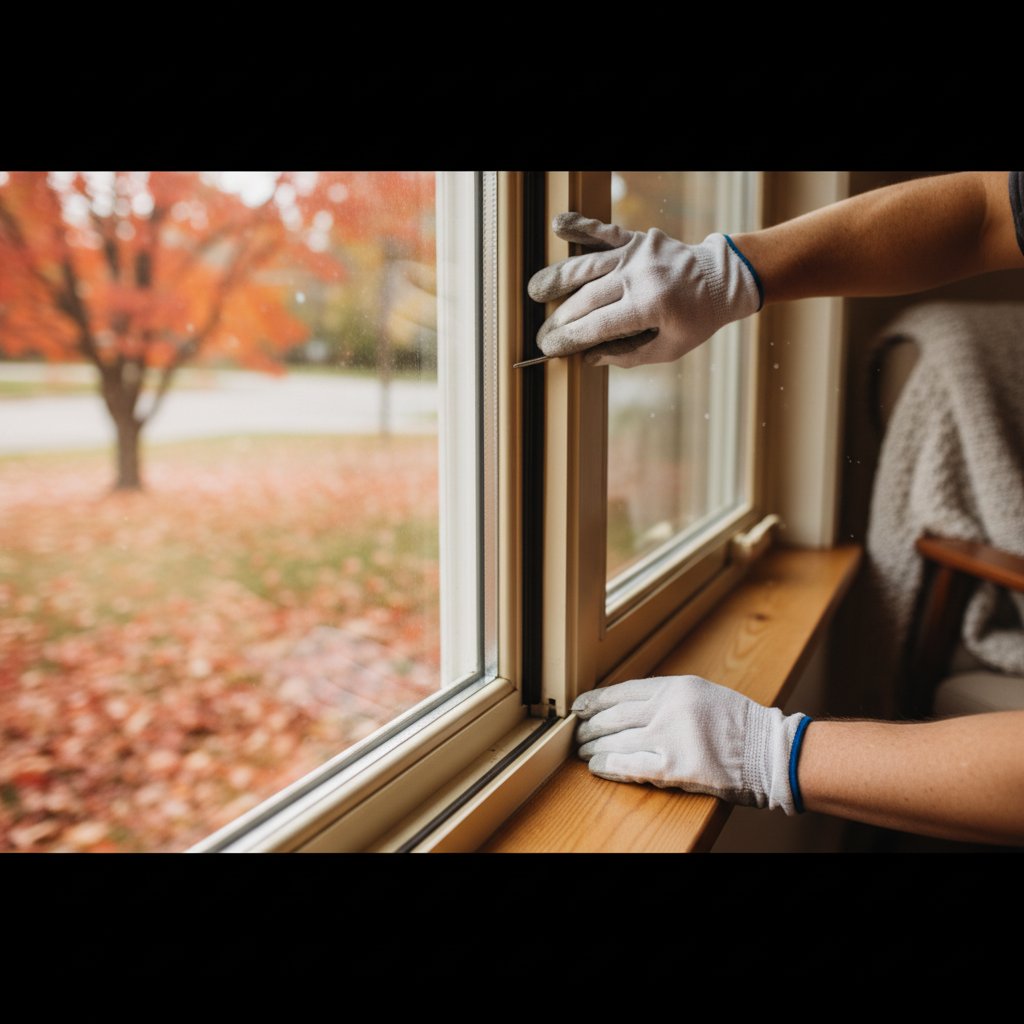
The window and door installation game has shifted dramatically over the past year. Gone are the days when slapping in a new frame was just about measurements and caulk. Between new building codes, supply chain shake-ups, and materials that didn't exist five years ago, the landscape looks completely different than it did in 2023.
I've watched installers adapt to these changes firsthand, and honestly? Some of the innovations are game-changers while others are just marketing fluff. Here's what actually matters when you're installing windows and doors in 2024.
1. Energy Codes Just Got Stricter (And More Expensive)
The 2024 IECC updates mean U-factor requirements dropped to 0.27 in most climate zones. That's a 15% improvement over 2021 standards. Translation? Your old go-to double-pane units probably don't cut it anymore. Triple-pane is becoming standard in northern regions, and even southern installers are seeing clients request better thermal performance.
This isn't just regulatory box-checking. A homeowner replacing ten windows can expect their heating costs to drop by $250-400 annually with compliant installations. The catch? Those triple-pane units cost 30-40% more than traditional double-pane, and the frames need beefier reinforcement. Budget an extra $150-200 per window for materials alone.
The real kicker is the testing requirements. Many jurisdictions now mandate blower door tests post-installation. If your air leakage exceeds 3 ACH50, you're ripping out trim and resealing until you pass. I've seen crews spend an extra day on jobs they used to finish in four hours.
2. Fiberglass Is Finally Having Its Moment
Vinyl dominated for decades because it was cheap and easy. But 2024 is the year fiberglass went mainstream. Material costs dropped 22% since 2022 as more manufacturers entered the market. The performance difference is stark—fiberglass expands and contracts at nearly the same rate as glass, meaning fewer seal failures over time.
I watched an installer pull out a vinyl window after just eight years last month. The frame had warped so badly from thermal cycling that the sash wouldn't lock. The fiberglass replacement? Rated for 50+ years with minimal maintenance. Sure, you're paying $800-1,200 per window instead of $400-600 for vinyl, but the math works out when you factor in longevity.
3. Smart Integration Isn't Optional Anymore
About 40% of new door installations now include smart lock systems as standard. Not the cheap Bluetooth deadbolts—we're talking full integration with home automation systems. Clients want their doors talking to their thermostats, security cameras, and lighting systems.
The installation side got trickier. You need to account for power routing, battery backup systems, and network connectivity. A basic exterior door install that took 3-4 hours now runs 5-6 hours when you factor in the tech setup. But here's the thing: installers charging for this expertise are adding $200-350 per door to their invoices, and customers aren't blinking.
4. Pre-Hung Units Are Saving Everyone's Sanity
The shift to pre-hung assemblies accelerated massively this year. Manufacturers figured out how to ship complete door units with frames, weather-stripping, and hardware already assembled. Installation time dropped by 60% compared to traditional methods.
What used to be a full-day door replacement now takes 2-3 hours. The precision is better too—factory-controlled environments mean tighter tolerances than field assembly. I'm seeing fewer callback issues for adjustments and weatherization problems. The premium is about 15-20% over component pricing, but labor savings make it a wash for most projects.
5. Impact-Rated Products Moved Beyond Hurricane Zones
Insurance companies started offering 15-25% premium discounts for impact-resistant windows and doors in tornado-prone regions. That changed the economics completely. A homeowner in Oklahoma or Kansas can recoup the upgrade cost ($400-600 extra per opening) in 4-5 years just from insurance savings.
The installation process requires different fastening schedules and structural reinforcement. You're using 40% more anchors and often sistering studs around openings. A standard window that took 90 minutes now needs two hours, but the liability protection for installers is worth it. One hailstorm and those impact ratings prove their value.
6. Supply Lead Times Normalized (Finally)
Remember waiting 16-20 weeks for custom windows in 2022? Those nightmares are over. Lead times dropped to 6-8 weeks for most manufacturers, with some offering 3-4 week rush options. The supply chain stabilized enough that you can actually plan projects without massive uncertainty buffers.
This changed the bidding process entirely. Contractors can quote realistic timelines again without padding schedules by months. Material cost volatility also settled—prices moved less than 5% over the past year compared to 20-30% swings in previous years. Planning got predictable again, which is almost revolutionary after the chaos of 2021-2023.
7. Acoustic Performance Became a Selling Point
STC ratings jumped from afterthought to primary spec for urban installations. Windows with STC ratings of 35+ are standard in metro areas now, compared to 28-30 just two years ago. The difference is noticeable—a 10-point STC improvement cuts perceived noise by roughly half.
Laminated glass and specialized gasket systems drive these improvements. Installation technique matters more than ever. Gap tolerances tightened to 1/8 inch maximum, and acoustic sealants replaced standard silicone. The attention to detail adds 30-45 minutes per window, but homeowners near airports or highways will pay the premium without hesitation.
The installation business transformed more in 2024 than in the previous five years combined. Regulatory pressure, material innovation, and changing customer expectations created a perfect storm of change. The installers thriving right now are the ones who invested in new skills, updated their material knowledge, and stopped treating every job like it's 2019. The ones still doing business the old way? They're losing bids to competitors who adapted.